




Motorhome Insurance from £220
With over 30 years' experience in the provision of motorhome insurance, and with a wealth of awards under our belt, we pride ourselves on offering the most comprehensive motorhome cover money can buy — and at competitive prices!
We know that keeping your motorhome on the road is your priority, and our policies have been designed to ensure you do so. Our partnership with Aviva, along with our expert knowledge of the camping and leisure industry, mean that we provide a high level of cover at a price that makes sense.
If you’d like to get a motorhome insurance quotation then you can do so online or by calling 0208 9840 666. We're here to help you get the best motorhome insurance for your needs. If you want to know more, then read on to find out why we’re an award-winning provider of motorhome insurance.


Comfort Insurance Reviews & Testimonials
We pride ourselves on providing great cover and friendly customer service, that’s why Trustpilot rate us as ‘Excellent’ with a TrustScore of 4.9 based on over 7,000 reviews.
Click here to find out what our customers are saying about us.
What does our motorhome insurance cover?
Here’s an at-a-glance guide of the cover provided by our motorhome policies. For full details, please see your policy documents.

Motorhome replacement
We can issue a replacement to the same specifications (subject to availability) within three years of purchase new by you or your domestic partner, if your motorhome is stolen or suffers damage exceeding 70% of its list price.

Hire car
Insuring your motorhome with us means we can offer you a hire car for 24 hours in the event of your vehicle being damaged and immobilised in an accident.
Accident recovery
Your motorhome insurance will cover you for the protection and removal of your vehicle to the nearest suitable repairers in the event of an accident.

Unlimited window and windscreen cover
Aviva’s network of preferred suppliers, including National Windscreens and Auto Windscreens®, have the tools to quickly and professionally repair or replace your motorhome’s specialist windscreen and windows, whether you’re at home, travelling in the UK or further afield in Europe.

Up to £5,000 personal effects cover
Your motorhome insurance policy also covers loss or damage to possessions locked in your motorhome. If you plan to travel with valuable items or equipment, it's important that you check your policy terms and conditions, as some items are excluded.

Optional breakdown cover
You can get optional breakdown cover in addition to your motorhome insurance policy in the UK and Europe. This can include home start, cover, roadside recovery, and repatriation. EU cover is included as standard in most EU countries, subject to policy detail.
Exclusions on our motorhome insurance policies
There are instances where your motorhome policy will not cover you. These include:
- Loss of use, wear and tear, and depreciation.
- Loss or damage arising from theft when the keys have been left in the ignition.
- Any accident or damage caused by someone driving the vehicle without the appropriate licence.
- Damage to tyres by braking or by punctures, cuts or bursts.
- Damage to your vehicle arising from domestic animals, moth, vermin or infestation.
The above are some of the exclusions which apply to your motorhome insurance. For a full list, please see your policy documents.
Why choose us for your motorhome insurance quote?
Here’s why we’re regarded as one of the leading specialist motorhome insurance brokers in the country:
- We have more than 30 years' experience providing insurance for motorhomes in the UK, so you can be sure that we know our stuff.
- Our excellent work has been recognised, having been named the What Motorhome Insurance Provider of The Year on 11 occasions.
- We are fully authorised and regulated by the Financial Conduct Authority under number 300281 so you're dealing with a reputable company.
- We are specialists in our field, so when you insure your motorhome, you can be certain that we are invested in building the best motorhome insurance policy for your purposes.
- Not only do we provide motorhome and campervan insurance, but we place great importance on our customer service. We have a rating of ‘Excellent’ based on more than 7,000 reviews on Trustpilot and 98.97% of our customers say they would recommend us to a friend.
- We have developed strong partnerships and are proud to work with Aviva, the UK’s leading motor insurance provider. Our motorhome breakdown cover is provided in conjunction with ARAG and Call Assist.
- In 2023, Aviva stated that 98.97% of all claims were paid out, so you can be confident that yours will be too.
Motorhome insurance tailored to you
Everyone has different needs when it comes to motorhome cover, which is why we adapt our policies to suit you.
For many customers, their motorhome is a home away from home, and it’s important that no detail is forgotten. That’s why we include, as standard, personal effects and belongings and generators (up to £5,000), fixed awnings, and medical cover if anyone is injured in your motorhome.
On top of this, you can add personalised extras such as sat-nav systems and satellite TV systems as well as UK and EU motorhome breakdown cover.
For motorhome breakdown cover taken out prior to April 1st 2024 you can call for breakdown assistance on of the numbers below:
DAS UK 0800 3134685 (For UK breakdowns)
DAS EU 0044 117 9340589 (For European breakdowns)
For motorhome breakdown cover taken out on or after April 1st 2024, you can call for breakdown assistance on of the following number:
ARAG UK AND EU BREAKDOWN 0330 303 1192
Your motorhome insurance policy documents
Policies taken out or with a renewal date on or after 1st April 2024

How much does motorhome insurance cost?
The cost of insuring your motorhome will depend on the value of your vehicle and other factors. If you want to find out how much it would cost to protect your motorhome then you can request a quote online by filling out a simple form.
Rest assured, whatever you use your motorhome for, we’ve got you covered. If you use it full-time, we can arrange this. If you want to convert your motorhome or build one from scratch, we can organise cover for that too.
Each person and their motorhome is unique, so we offer a range of products that can be tailored to suit you. That’s why we’re one of the leading motorhome insurers in the UK.
How to get your motorhome insurance quote
We’ve been providing insurance for motorhomes for years and because our customers are the most important thing to us, we’ve made the process simple.
It’s easy to get a quote online – just select your type of vehicle and provide us with a few details such as its make, mileage, and where it is usually parked. After that, you’ll need to enter information about yourself and then we can give you an insurance quote for motorhome cover in a matter of minutes!
Of course, if you’d prefer to speak to a member of our expert, friendly team then you can call us on 0208 984 0666 and we’ll gladly listen to your needs and create a quote tailored to you. It really is that simple.
How to make a claim on your motorhome insurance
Should you need to make a claim on your motorhome insurance policy, don’t worry. All you need to do is call the Comfort claims helpline on 0800 028 0038.
Our insurance claims helpline operates 24 hours a day, 365 days a year, so you can be sure that we’ll always be available to help you. A personal incident manager will be on the other end of the line ready to assist, but please have your vehicle registration number to hand so that they can quickly locate the details of your insured motorhome.
Motorhome Breakdown Cover
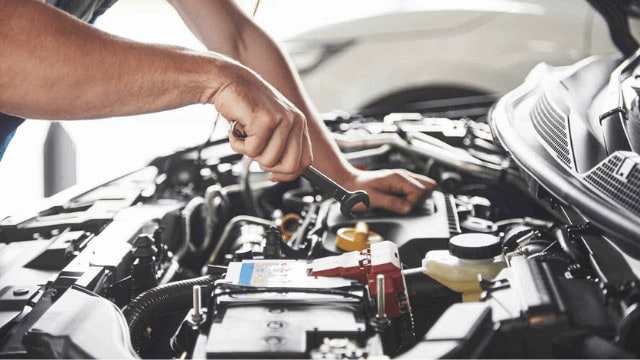
We recommend you take out our specialist breakdown cover and include it with your annual policy. To add this to your motorhome insurance policy, it only costs £82. We provide this service in conjunction with ARAG and Call Assist. Read more about our motorhome breakdown cover now.
If you need breakdown assistance, it's quick and easy to find out which phone number you need to call.
Campervan Hire Insurance
Have you ever wanted to hire out your campervan or motorhome?
Read more about our campervan hire insurance.
Did you know...
98.97%
of Comfort Insurance customers claims were paid.
*As of the 17th October 2023 Aviva stated that 98.97% of all claims were paid out
Motorhome FAQs
Yes, it is a legal requirement to have insurance on your motorhome unless the vehicle is declared SORN and off the road. You will also be required to check as, with some HPI finance, they do require the vehicle to remain insured even if it is declared off the road.
Legally, a motorhome would require third party only cover as a minimum. But due to the various things involved, normally only comprehensive cover is available on this vehicle. Vehicles worth under £5,000 typically do qualify for third party fire and theft policies, but it may work out cheaper to place the vehicle on a comprehensive policy instead.
Depending on age and when you passed your test, this would depend on what classification of vehicle you are able to drive. You would need to refer to your driving licence to confirm which categories and entitlements you would be allowed to drive. If you are not sure, this information can be found on the DVLA website and you would also need to refer to the Log Book to identify the weight of the vehicle. If you are 70 years of age and over, additional laws come into force.
Typically, motorhome insurance is cheaper than general car insurance. There are a number of factors that can affect premium. Premiums can start from £220 and things such as security, mileage and storage can all have an effect on annual premiums.
Comfort Insurance only offer annual policies but these will work out cheaper than short term policies due to mileage and other rating factors.
Comfort’s Horizon motorhome policy includes a 365-day Green Card with a limit of 180 days for one trip. If your trip is within the EU and extends beyond a 90-day period within a 180-day period, you may require a Visa or Permit. Territorial limits for a Comfort Policy can be found here but also check the travel advice for the country or countries you are visiting by going on to the uk website. A reminder of the rules for travelling between the UK and Europe can be found here
For motorhome owners, it is important to look at policy levels and limits within the contract and compare this against the weight of the vehicle. Comfort’s Breakdown Insurance can only be purchased in conjunction with an Annual Policy but this does offer specialist cover with European recovery limits at £10,000 for any one claim.
There are a number of factors that can affect your Motorhome premium and listed below are what are considered the main points
- Postcode
- Mileage
- Drivers
- Claims
- Convictions
- Value
- Parking
- Security
- Type of Motorhome
The level of cover will depend on the value of your motorhome. For vehicles under £15,000, there is a policy limit of £2,500 and for vehicles over £15,000 there is a policy limit of £5000. Both levels of cover are subject to a single item limit of £400 and excludes items such as jewellery and mobile phones. For the full list of terms and conditions please click here. It is always worth checking with your home insurer that any high value items are covered under your home insurance whilst away in your motorhome. Comfort insurance offer a range of Home insurance policies which will cover such high value items whist away in your motorhome.
We do offer cover for full-time insurance but this is subject to Terms and Conditions and is assessed on a case-by-case basis. If you wish to discuss further please contact one of our sales assistants on 020 8984 0777
If you already hold an annual policy with Comfort Insurance we do have a specialist policy for our customers that allows them to hire their motorhome out. Please contact our office to discuss further 020 8984 0777
This will vary between Insurers, but Comfort Insurance’s Underwriters recommend any VTS or Thatcham approved device. Trackers appear to be more favourable than alarms at this moment in time, but some security criteria will be dependent on the value and underwriting criteria for the vehicle
Comfort Insurance offers various different limited mileage bands ranging from 1500 miles per year to unlimited which will all affect the premium dependant on use throughout the year.
Comfort Insurance, under their Motorhome policy offer three years new for old or 15,000 miles whichever is first subject to the policyholder being the first registered owner of the vehicle.
Under the Comfort Insurance Motorhome policy Horizon, the policy automatically includes commuting and business use as long as you are in full-time employment.
Elements that can help on giving discounts on your motorhome policy are things like where is the vehicle kept overnight and what kind of security devices do you have for your motorhome.
Typically, both motorhome and campervan insurance policies are specifically designed to give specialist cover for each respective vehicles.
Typically no vehicle policy would cover water damage.
Any modification that is carried out on a motorhome or campervan needs to be disclosed to your insurance. Dependent on that level of modification, it may result in an additional premium needing to be payed, or even that the insurers will no longer be able to continue the cover due to the modification.
Typically for contents covered in your motorhome policy, contents are covered for only the current market value for the item.
Comfort Insurance does not have a general cut off age for any motorhome policy.
Experts in motorhome insurance
We have over 30 years’ experience in the industry, which means we know a thing or two about how to insure a motorhome.
Our professional, friendly UK-based customer service team are all knowledgeable about these types of vehicles, with many owning one themselves. So when you give them a call, you know you’re in safe hands. Perhaps that’s why we won the What Motorhome Insurance Provider of the Year award for 10 out of 11 years.
And don't forget that our motorhome insurance costs are pitched at affordable rates our customers love.
If you want to find out why we're considered among the leading insurance brokers for motorhomes, call us on 0208 9840 666 or get a quote online. Our friendly team is here to help you find the motorhome insurance deal that works for your needs.